
Documenting a Build: Why Progress Photography Protects You Legally and Marketing-Wise
Two Reasons to Document Every Phase
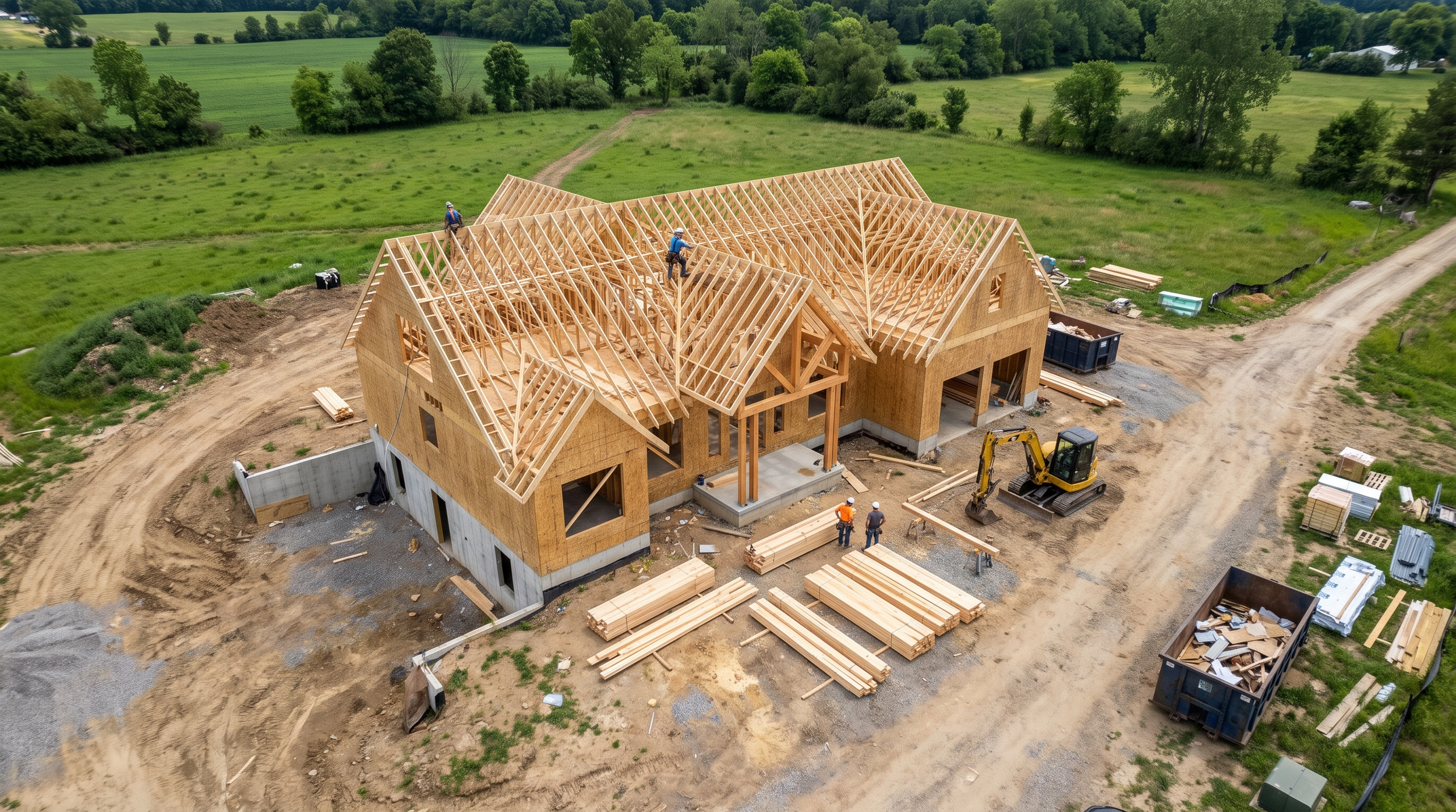
Construction documentation serves two very different purposes that happen to use the same photos. The first is protective: a dated, organized photo record of each construction phase gives you evidence if a dispute ever arises over what was built, when, and to what standard — before walls close up and the work becomes invisible. The second is promotional: progress photography, especially time-lapse or before/after content, is some of the most compelling marketing material a builder or developer can use to win future bids.
What to Capture at Each Milestone
- Site prep and grading — establishes the starting condition of the lot
- Foundation and framing — the phase most likely to be referenced in future structural questions
- Rough-in (electrical, plumbing, HVAC) before walls close — this stage is nearly impossible to document after the fact
- Insulation and drywall — useful for energy-efficiency documentation and future renovation reference
- Final walkthrough — matches the finished product back to the promotional story of the build
Progress photography is one of the few marketing expenses that pays for itself twice.
Drone Footage: Permits and Licensing You Need to Verify
Aerial site progress shots are one of the most popular formats for construction marketing, but they carry real regulatory requirements. Anyone flying commercially needs an FAA Part 107 Remote Pilot Certificate, and active job sites often have additional airspace or site-safety restrictions to check before a drone goes up. If a vendor can't confirm certification and insurance without hesitation, that's a liability risk you're taking on as the client, not just them.
Turning Progress Photos into Marketing and Bid-Winning Content
The construction companies winning repeat bids are increasingly the ones who can show a documented process, not just a finished product. Before/after sequences, time-lapse compilations of a build from groundbreaking to completion, and behind-the-scenes shots of the crew at work all perform well on the channels where developers and commercial clients are evaluating contractors — LinkedIn, project portfolios, and pitch decks.
Storage and Organization Tips
Photo documentation is only useful if it's retrievable months or years later. Organize by project, then by phase and date, with consistent file naming from day one. Cloud storage with client or project-level access (rather than one shared folder for every job) makes it far easier to pull the right documentation quickly if a question comes up on a specific project.
The Bottom Line
Progress photography is one of the few marketing expenses that pays for itself twice — once as protection if a dispute ever arises, and again as content that helps win the next bid. Treating it as a standing part of every project, not an occasional add-on, is what separates builders with a strong visual record from those scrambling for photos after the fact.
If you're starting a new build and want to keep a consistent visual record, contact Studio Hanashi to discuss your project and your needs — drone stills and video are available as add-ons on any shoot.
